1. Safety talk
The team explains how to avoid sticks, what to do if someone is exposed and who should stay out of the area.
Mineola, NY · Nassau County
Clearing out a relative's home or a storage unit in Mineola and found syringes? Call (877) 812-4220. A cleanup team can search every drawer, remove the sharps and disinfect the area.
If anyone is in danger, call 911 first. For a suicide crisis, call or text 988.
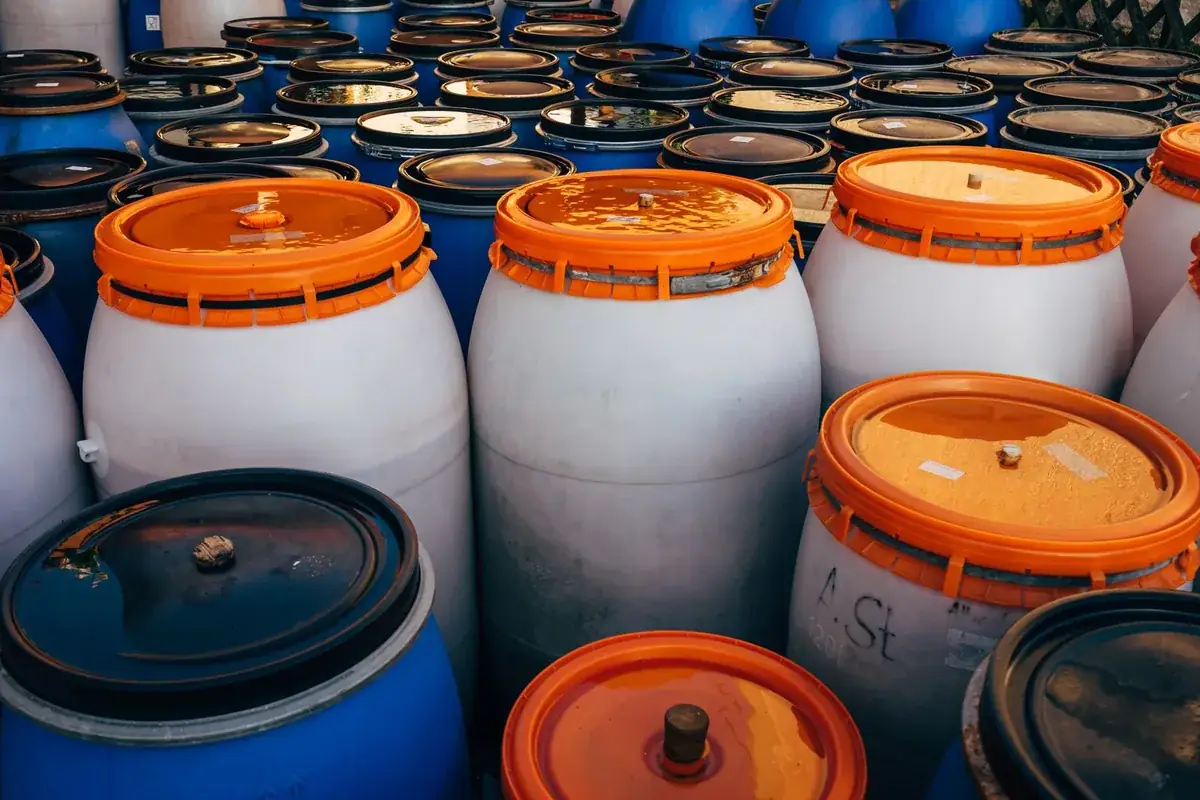
Needle removal is the work of finding and lifting loose sharps without risking a stick. It covers outdoor lots, rental units, restrooms, storage areas and any place where syringes may have been left.
Treat a found needle in Mineola as a safety problem first, and call Mineola Biohazard Cleanup Help for help anywhere in Nassau County. The team keeps people clear, collects sharps into sealed containers and disinfects any surface that came into contact with them, so your property is safe again.
Most homes in Mineola are owner occupied, with renters at about 32% of households, so many needle calls come from families clearing a home or yard. A stick, cut or splash should be checked by a doctor without delay. Long Island Jewish Medical Center in New Hyde Park serves people in and around Mineola.
Needle & Sharps Cleanup in Mineola usually includes:
The team explains how to avoid sticks, what to do if someone is exposed and who should stay out of the area.
The team moves in a set pattern so no section is skipped, since a single missed needle is still a hazard.
Sharps are locked in secure containers marked for medical waste.
The crew removes the containers, double-checks the space and answers questions before leaving.
The cost of needle & sharps cleanup in Mineola, NY depends on the amount of material, how it is packed and how it is hauled.
Access can raise or lower the price. Locked units, stairs, fences and long travel distances all play a part.
| Type of job | Typical range |
|---|
Estimates only, not a quote. Sources: . Price drivers include number of items, where they are found, whether a sweep of a large area is needed, waste disposal. Call (877) 812-4220 to talk through the job.
A used needle can carry bloodborne pathogens such as hepatitis B, hepatitis C and HIV. The chance of infection from one stick depends on many things, and a doctor can explain what applies. Get medical care promptly after any stick or cut.
Loose needles should not go in household trash, because they can stab sanitation workers. Rules for small amounts of household sharps vary by city and county. The local health department can say what is allowed, and a cleanup team can take larger amounts.
No. Do not search for them yourself. Tell the team what you have seen and where, and the crew will check the rest of the space in protective gear. Searching by hand is how many sticks happen.
Safer options exist. Many cities and health departments have programs for found needles and may give instructions or send someone. If you are unsure, do not touch it. Leaving a needle in place and keeping others away is safer than risking a stick.
They can be tucked into couch cushions, mattress seams, drawers, vents and ceiling tiles. That is why a sharps sweep covers more than the floor. Crews check hidden spots with tools and light before declaring a room clear.
A local biohazard cleanup team can search the area and remove needles and other sharps. Some cities and health departments also help with found needles on public land. For a single needle outdoors, the health department is a good first call, and for anything bigger, a cleanup team.
Describe what you saw and where, and the team will explain the next step.
Call (877) 812-4220